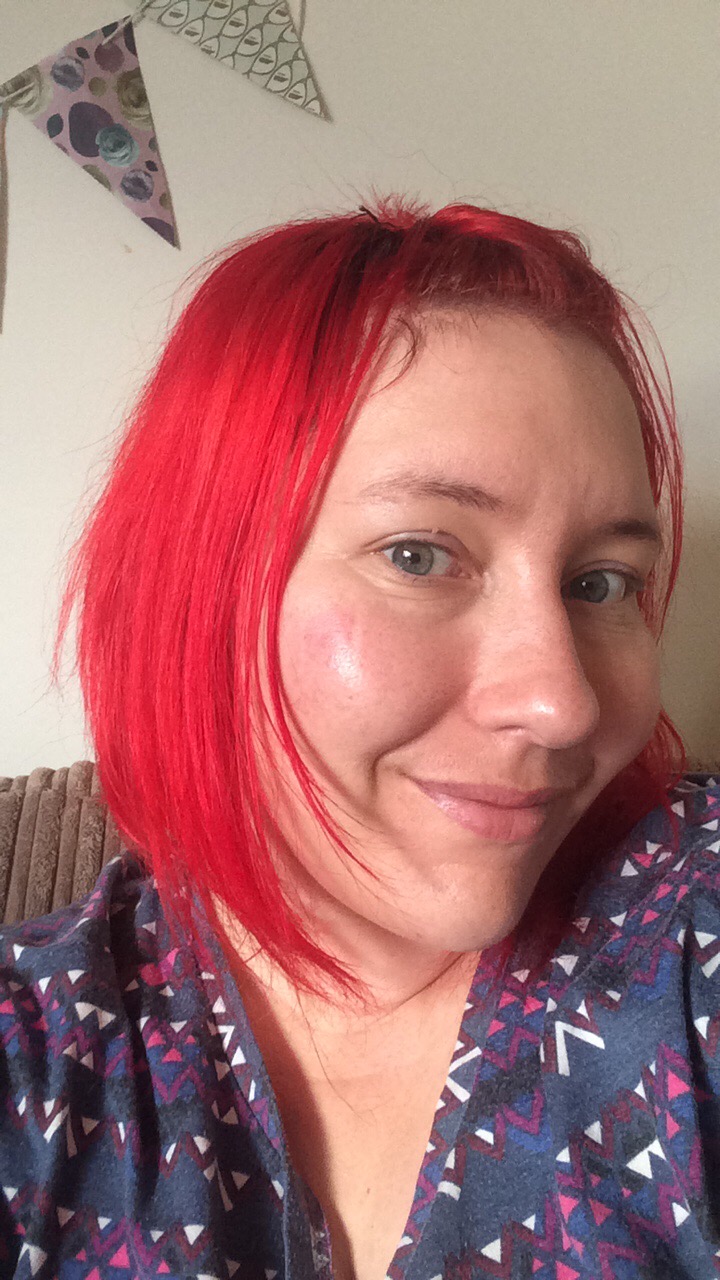
I remember, when my little boy Sebby was about 3 months old, I woke up and immediate wished I hadn’t. I didn’t want to get up. I didn’t want to be part of the day. I simply wanted to disappear. I lay there silent as tears rolled down my face. My partner, James, had taken Sebby into the lounge and I could hear their feint laughter and play……”Why couldn’t I do that?”, “He never laughs for me”, “I’m a terrible mother” my thoughts raced.
My phone rang.
It was my good friend calling. I didn’t want to pick it up but then something, maybe desperation, made me call her back. Her poor husband answered and managed to understand, through my sobbing, that I needed my friend. It felt like hours until she arrived but it was literally minutes. She bounded in and placed her little girl on the bed next to Sebby. She got into bed with me, hugged me tightly and whispered “It’s all going to be okay.”
That was all I had needed and wanted and after a while I got up and sat chatting with the babies happy and gurgling away.
Family and friend are the most important part to your recovery. Without them it’s just you and thoughts and feelings are easier to tackle when there’s more than one of you.
There are lots of ways family and friends can support you but you must find it in you to let them. It can be so hard asking for help but it’s important to ask when you need it. They want to help and support you.
Here are some ways they can provide you with support.
Research
It is important that family and friends understand Post Natal Depression which is why research is so important. Mind Uk Is a fab easy to use website full of user friendly information as it the NHS website You may have been given some information already that you could share with them. The more they understand the less you have to explain.
The most important piece of advice I can give you is to be totally honest about how you’re feeling. Communication is key. Lack of communication is the start of rows and bickering and shutting people out. Listen to what they have to say, you might not always agree but a lot of the time their advice is often good and necessary.
I have written the following ideas for your family and friends on how best to support you. Sharing information is crucial.
The more you understand about PND the more support you can give.
Your biggest role will be to listen but don’t always feel you have to give your opinion or even have a reply, sometimes listening is all that’s needed. Be open and honest with each other but remember that sometimes Mum can’t remember what she has said or done so let things lie and don’t go over things.
- Seek your support in others
Post Natal Depression is very complicated and confusing to both Mum and you. It is so important that you have friends or family you can confide in so that you don’t get dragged down. Everyone needs time for themselves, remember to look after yourself.
I know that I did and said things I wish I could take back but it was out of my control. That’s important to remember, Mum can’t control her emotions as easily and things will be said that can’t be taken back but try not to take it personally.
Don’t always assume Mum needs your help. I remember times when family members would assume I wanted things tidied etc but really I just wanted them to sit with me and have a quiet cuppa. Again, communication is vital.
“Please go to bed”, “have a wash please” and “now go and get dressed” are things I heard every day. In a strange way it made me feel safe and loved, not always at the time but afterwards. Sometimes you will need to be assertive, not patronising, assertive. Mum will feel better for it.
Although you love the child/baby dearly please remember they are not yours. Please follow the parents style of parenting, ask questions and don’t belittle their parenting style.
- Be involved with professionals
I must explain that I had to go and live with my mum when Sebby was born or I would have been hospitalised. In my experience having my family and some close friends meet my Community Psychiatric Nurse (CPN) was very helpful. My mum came to my GP appointments and my partner sat in on my CPN appointments.
- Understand medication and treatments
It is important that partners and close family or friends know what medication Mum is on and when they are supposed to take them. It is also good to know if any other treatments are happening such as counselling and when these appointments are. I always forgot when my appointments were and when to take my medication so my partner suggested syncing our diaries on our phones and my mum was in charge of my medication.
Make a list of all the telephone numbers that are useful in any event such as CPN, GP, Health Visitor, best friends, partners and other family members. It’s also good to have NightLinks number, the Samaritans and the local crisis team number. Keep them to hand.
Obviously people’s experiences of Post Natal Depression will be different but if I can help just one Mum and their family then it would be wonderful.
Big love
Cara xxx